Whey protein
Whey Protein Guide: Benefits, Types, and Safety
Learn what whey protein is, how concentrate and isolate differ, what benefits are realistic, and which label and safety checks matter.
 Sunxfit
فارسی
Browse organised sports supplement guides for a more informed choice.
Learn what whey protein is, how concentrate and isolate differ, what benefits are realistic, and which label and safety checks matter.
Learn when a mass gainer can be useful, how it compares with calorie-dense food, and who should avoid it.
A balanced guide to how creatine works, which activities benefit most, and who should use caution.
A plain-language overview of glutamine, its role in the body, limits of sports claims, and safety considerations.
A balanced explanation of leucine, isoleucine, and valine, when BCAAs may help, and why they are not essential for everyone.
Compare amino dietary supplements, complete amino blends, EAAs, and BCAAs, including realistic uses, label checks, and safety limits.
Learn why EAAs are called essential, how they differ from BCAAs, and when a supplement may be reasonable.
Understand the limited effects, stimulant risks, and safety considerations of products marketed as fat burners.
Understand common pre-workout ingredients such as caffeine, citrulline, and beta-alanine, plus key safety cautions.

A safety-focused guide to prohormones, steroid-like bodybuilding products, and their liver, heart, and hormonal risks.
Protein supplements products supplement a plan; they do not replace food, training, or medical care. Review protein type, protein per serving, lactose, and allergens before buying. Use this short checklist for an informed decision.
Total daily protein matters more than exact timing, and a supplement does not replace varied meals. Use this short checklist for an informed decision.
Milk-protein allergy, lactose intolerance, and medically prescribed protein limits require attention. Use this short checklist for an informed decision.
Compare concentrate, isolate, and plant proteins by tolerance, ingredients, and cost per serving. Use this short checklist for an informed decision.
Mass gainers products supplement a plan; they do not replace food, training, or medical care. Review true calories per serving, carbohydrate-to-protein ratio, added sugar, and serving size before buying. Use this short checklist for an informed decision.
A gainer is relevant only when food intake does not meet calorie needs; gradual use helps assess tolerance. Use this short checklist for an informed decision.
Diabetes, insulin resistance, digestive conditions, and a weight-loss goal require professional assessment. Use this short checklist for an informed decision.
Compare price per serving, protein, and sugar with a calorie-dense homemade snack. Use this short checklist for an informed decision.

Creatine products supplement a plan; they do not replace food, training, or medical care. Review creatine form, actual active amount, and ingredient transparency before buying. Use this short checklist for an informed decision.

Consistent label-directed use matters more than exact timing, and loading is not mandatory for everyone. Use this short checklist for an informed decision.
Kidney disease, kidney-affecting medicines, and creatinine testing should be discussed with a clinician. Use this short checklist for an informed decision.
Monohydrate has the broadest evidence; absorption claims should be weighed against evidence and price. Use this short checklist for an informed decision.
Amino acids products supplement a plan; they do not replace food, training, or medical care. Review amino-acid type, ingredient amounts, EAA or BCAA content, and total dietary protein before buying. Use this short checklist for an informed decision.
Need should be assessed against daily food and training, not only pre- or post-workout timing. Use this short checklist for an informed decision.
Undisclosed blends, hidden doses, and kidney or liver conditions require caution. Use this short checklist for an informed decision.
EAA, BCAA, and single amino acids serve different purposes; compare the label with the actual need. Use this short checklist for an informed decision.
Pre-workout supplements products supplement a plan; they do not replace food, training, or medical care. Review total caffeine, combined stimulants, pump ingredients, and disclosed doses before buying. Use this short checklist for an informed decision.
Timing should follow the label and account for training time and possible sleep disruption. Use this short checklist for an informed decision.
Blood pressure, heart conditions, anxiety, medicines, and total daily caffeine from all sources matter. Use this short checklist for an informed decision.
Separate stimulant from non-stimulant products and compare disclosed amounts rather than ingredient count. Use this short checklist for an informed decision.
Weight-management supplements products supplement a plan; they do not replace food, training, or medical care. Review stimulants, caffeine, product claims, and the central role of diet and physical activity before buying. Use this short checklist for an informed decision.
No supplement replaces a sustainable calorie deficit, appropriate nutrition, and physical activity. Use this short checklist for an informed decision.
High blood pressure, diabetes, heart or liver disease, and combined stimulants require professional advice. Use this short checklist for an informed decision.
Compare claims with disclosed ingredients, evidence, warnings, and the cost of a full course. Use this short checklist for an informed decision.
Hormonal and test-booster products products supplement a plan; they do not replace food, training, or medical care. Review full ingredients, hormonal claims, regulatory warnings, and brand history before buying. Use this short checklist for an informed decision.
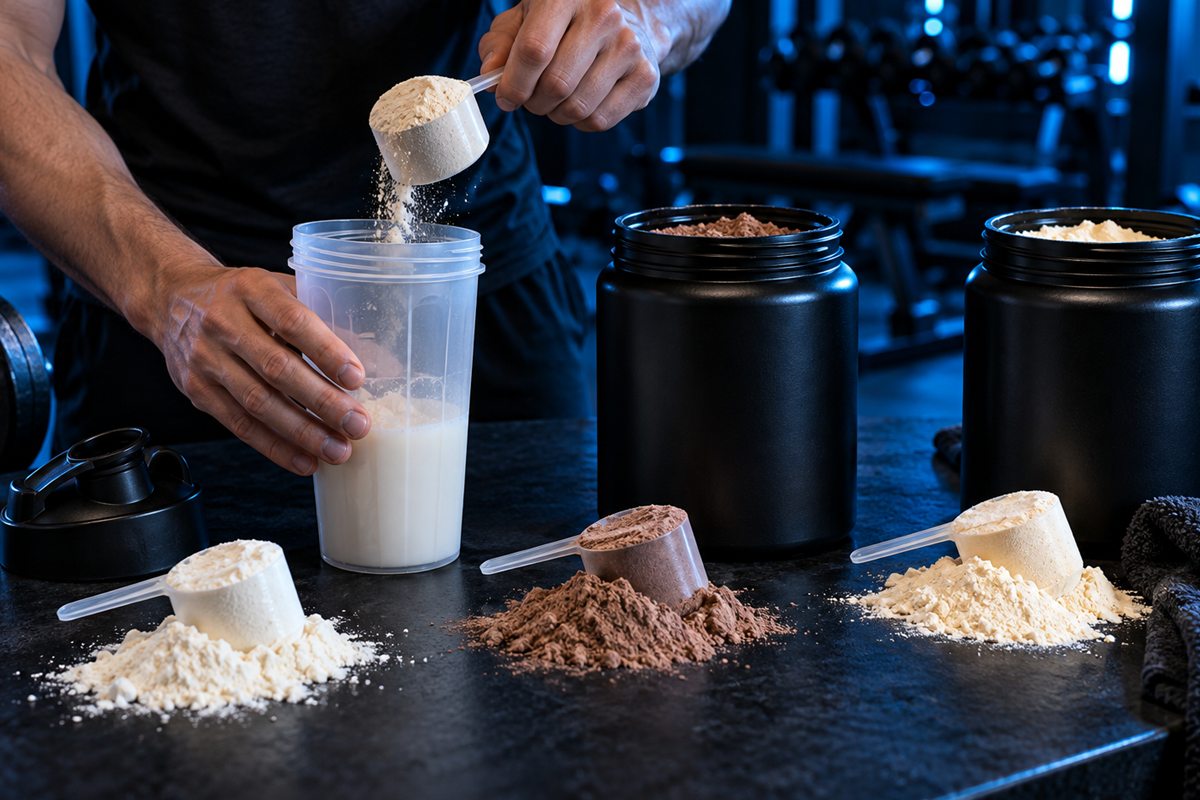
There is no universal safe-use protocol for this group; decisions require a qualified professional. Use this short checklist for an informed decision.
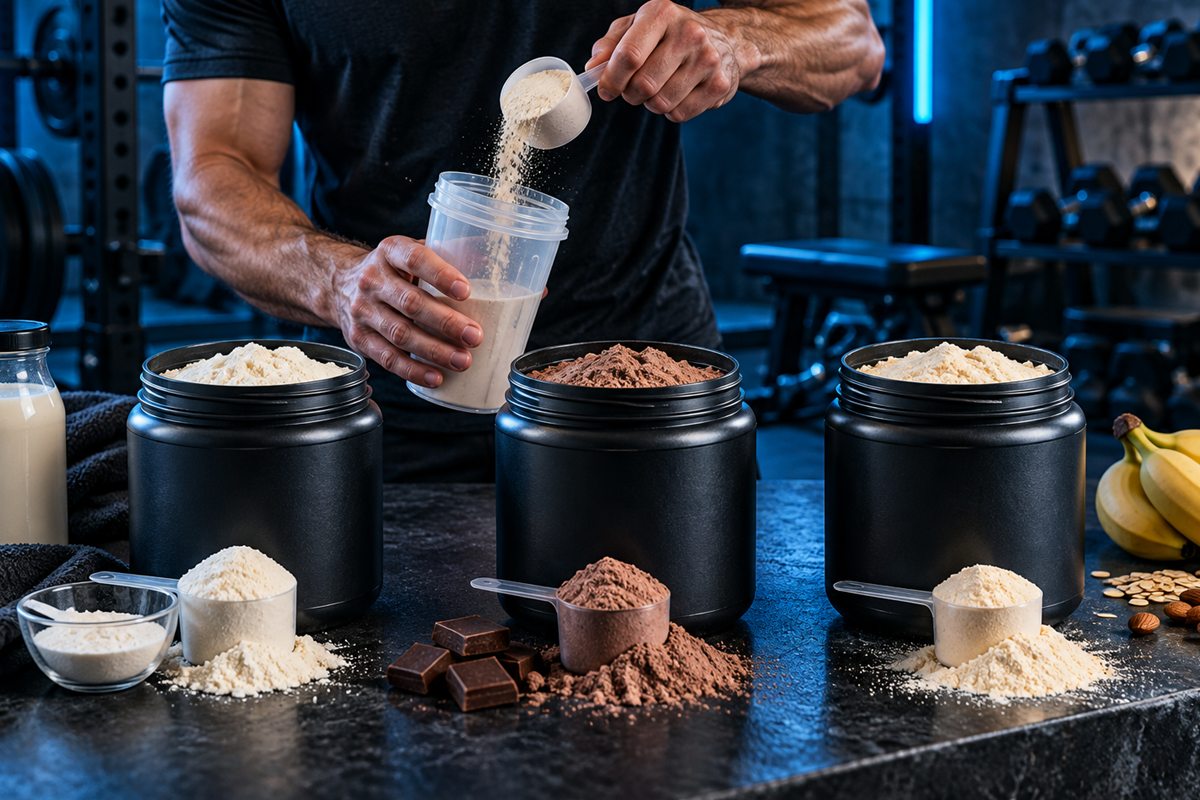
Bodybuilding products with hormonal claims can carry serious risks or undeclared ingredients; unsupervised use is not advisable. Use this short checklist for an informed decision.
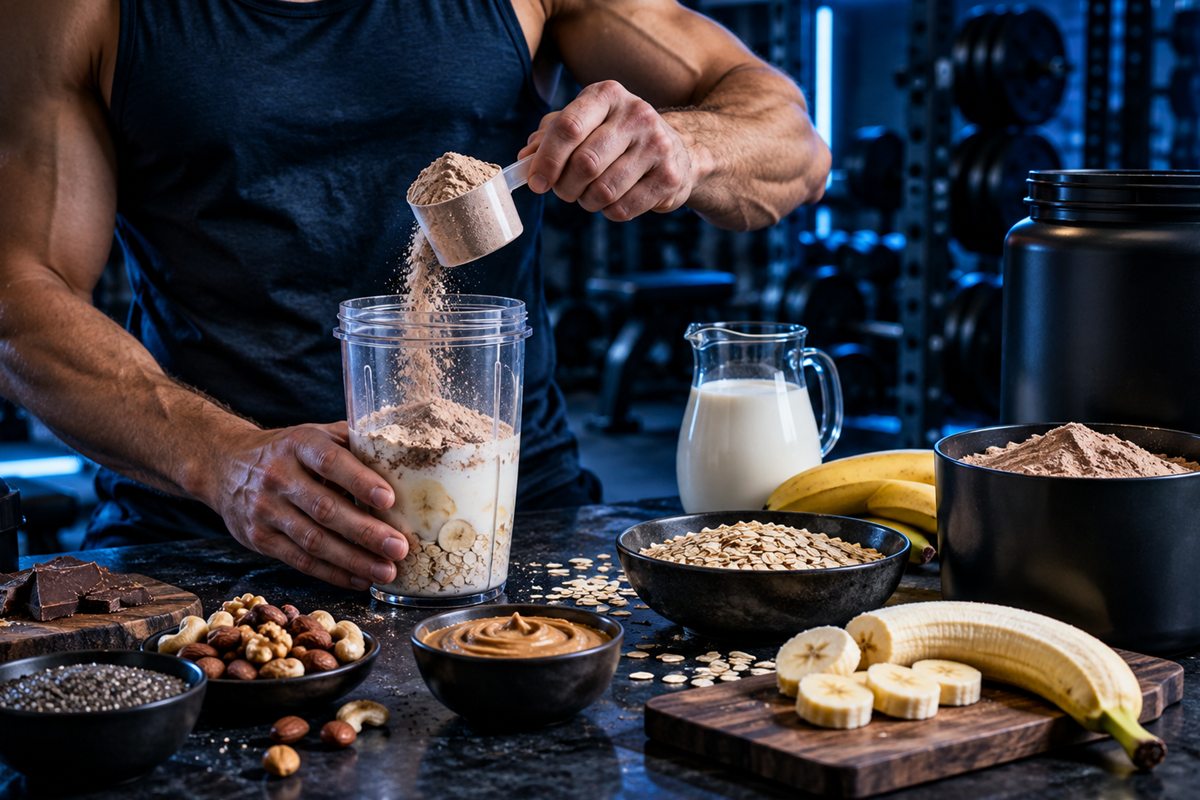
Natural or herbal does not guarantee safety; compare transparency, official warnings, and professional assessment. Use this short checklist for an informed decision.

Vitamins and minerals products supplement a plan; they do not replace food, training, or medical care. Review amount per nutrient, daily value, and overlap with food and other supplements before buying. Use this short checklist for an informed decision.
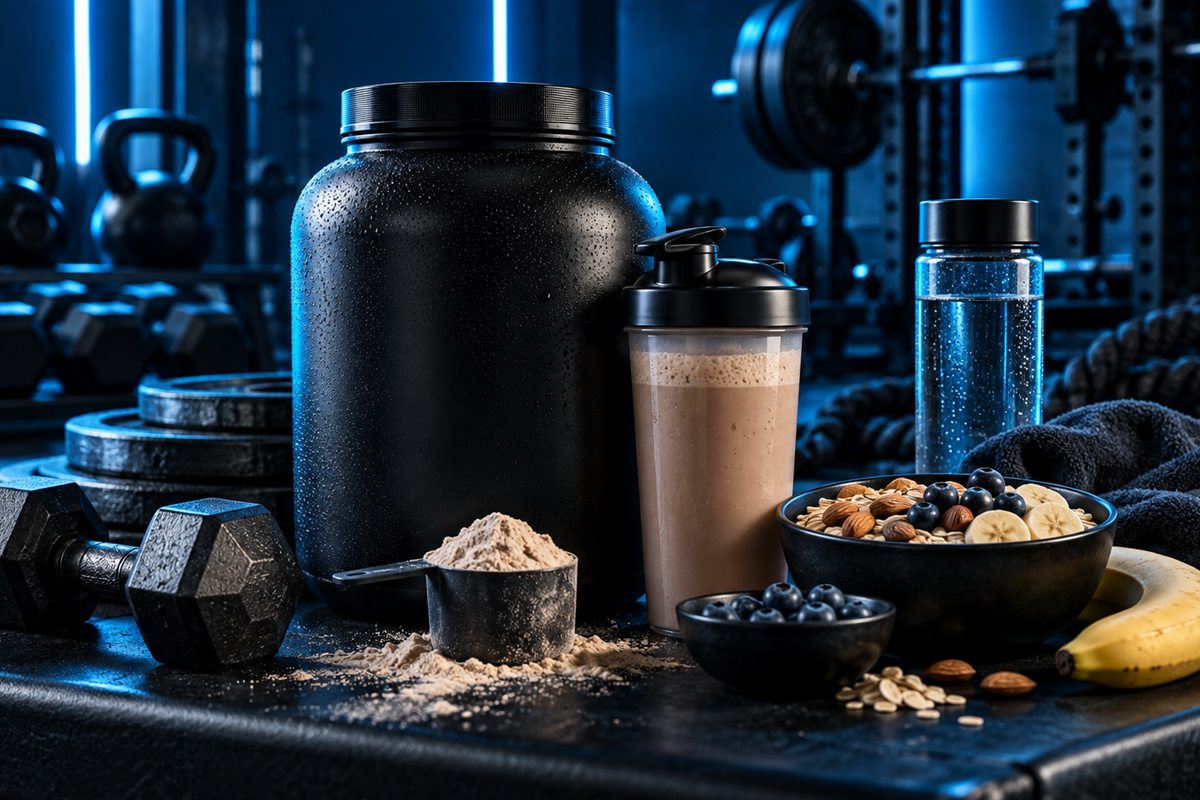
Use should reflect a genuine need, the label, and when appropriate, testing or professional advice. Use this short checklist for an informed decision.
More is not always better; high amounts and medicine interactions can create risks. Use this short checklist for an informed decision.
Compare nutrient form, amount, serving count, and ingredient overlap before choosing. Use this short checklist for an informed decision.
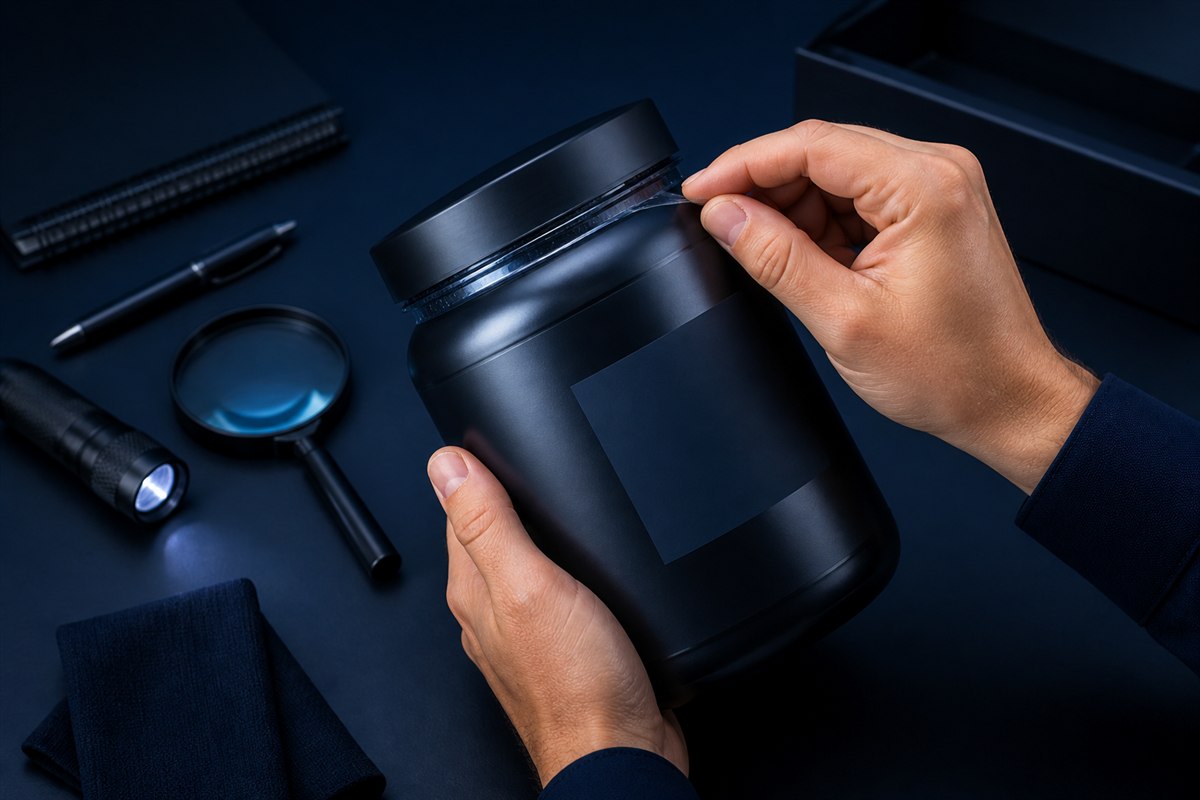
A basic checklist for seal, label, batch, and expiry review.
A general introduction to creatine without personal dosage advice.